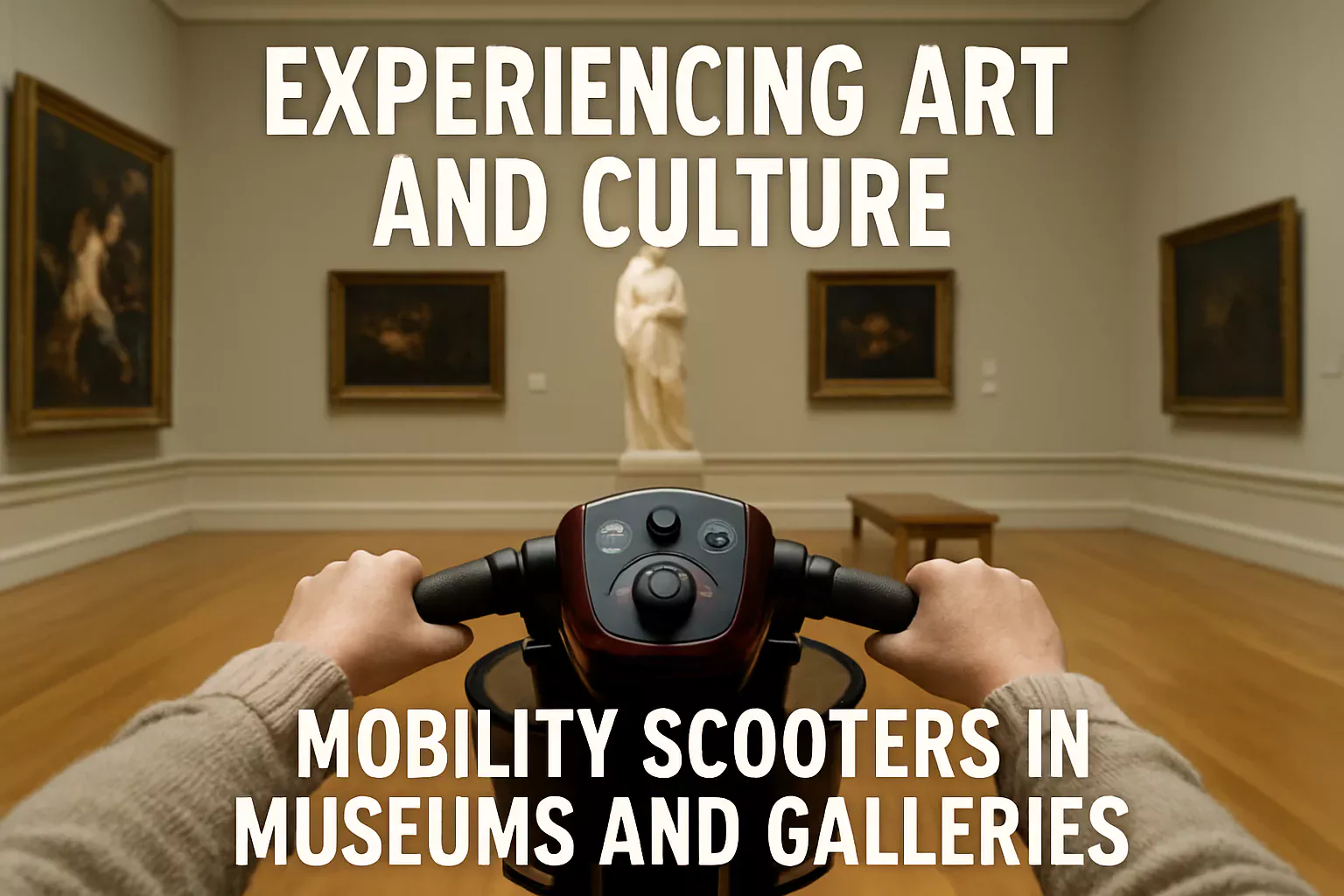
Experiencing Art and Culture: Your Mobility Scooter Guide to Museums and Galleries
For centuries, museums and art galleries have served as vital repositories of human history, creativity, and knowledge. They are places where stories come alive, where masterpieces evoke profound emotions, and where the human spirit finds inspiration. Yet, for many, particularly those with mobility challenges, accessing these cultural treasures has often felt like an insurmountable barrier. The very architecture designed to impress – grand staircases, vast halls, intricate layouts – can inadvertently exclude. But what if there was a key to unlock these experiences, ensuring that the transformative power of art and history is truly available for all?
As a global engineering expert, a programmer, and a professor deeply involved in electromobility and IoT at Harvard, I’ve spent nearly three decades at the forefront of technologies that redefine freedom and connection. My work, much like the mission of Electric Scooter 24, is dedicated to making movement comfortable, safe, and accessible to everyone. Today, we delve into how electric mobility scooters are not just vehicles, but essential enablers of cultural immersion, transforming museum and gallery visits from a daunting task into an enriching, joyful experience. This isn’t just about getting around; it’s about reclaiming your independence, engaging with the world, and connecting with art on your own terms. Prepare to redefine your accessible travel expectations.

The Cultural Imperative: Why Accessible Art Spaces Matter More Than Ever
Art and culture are fundamental human rights. They foster critical thinking, empathy, and a sense of shared heritage. Museums and art galleries are not merely buildings; they are dynamic public spaces that contribute significantly to individual well-being and societal cohesion. Yet, statistics reveal a stark reality: despite growing awareness, a significant portion of the population with disabilities still faces substantial hurdles in accessing these institutions. According to a 2023 report on inclusive tourism, over 15% of the global population lives with some form of disability, yet accessible travel options remain underdeveloped in many areas, including cultural sites.
This isn’t just a matter of convenience; it’s about social inclusion and mental well-being. The joy of encountering a historical artifact, standing before a breathtaking painting, or learning about diverse cultures is a powerful antidote to isolation. Mobility aids like electric scooters are bridging this gap, transforming cultural institutions from exclusive enclaves into truly inclusive spaces. When we speak of mobility aids, we are talking about tools that empower disabled visitors, seniors, and anyone with temporary or chronic conditions (from arthritis to chronic fatigue) to participate fully in life’s rich tapestry.
“As an engineer and a long-time advocate for universal design, I’ve seen firsthand how technology can dismantle barriers. Electric mobility scooters are a prime example. They don’t just transport; they liberate. They enable individuals to engage with cultural heritage, fostering mental stimulation and social connection that are vital for a fulfilling life.” – Dr. Anya Sharma, Professor of Electromobility and IoT, Harvard University.
Mobility Scooters: Your Personal Gateway to Unrestricted Art Exploration
The traditional image of a museum visit often involves extensive walking, standing for long periods, and navigating crowded spaces. For someone with limited mobility, this can quickly lead to pain, fatigue, and frustration, making what should be an enjoyable outing feel like an ordeal. This is precisely where modern mobility scooters step in, offering a comfortable, efficient, and dignified solution for museum access and gallery access.
Think of your mobility scooter not just as a means of transport, but as a personal assistant that ensures you can truly *experience* the art. No longer are you limited by how far your legs can carry you or the availability of a bench. You can glide effortlessly from one exhibit to another, pause as long as you wish before a captivating piece, and fully immerse yourself in the ambiance of the space. This is the essence of accessible travel – not just reaching a destination, but enjoying the journey and the experience once there.
The Advantages of Using a Mobility Scooter in Cultural Institutions:
- Reduced Fatigue: Eliminate the physical strain of walking long distances, allowing you to focus your energy on appreciating the exhibits.
- Enhanced Independence: Navigate independently, without needing constant assistance, boosting confidence and self-reliance.
- Extended Visiting Hours: Stay longer and explore more, transforming a rushed trip into a comprehensive cultural immersion.
- Improved Comfort: Enjoy comfortable seating throughout your visit, with models offering plush leather seats and ergonomic designs.
- Dignified Experience: Maintain your personal space and dignity, moving freely and stylishly among other visitors.
From the grandeur of the Louvre to the intricate halls of the Metropolitan Museum of Art, and even local art galleries, the trend towards wheelchair accessible museums is growing. With the right electric mobility scooter, these once inaccessible spaces become open realms of discovery.
Choosing Your Art-Companion Scooter: Features for Seamless Museum & Gallery Visits
Selecting the ideal mobility scooter for museum and gallery visits requires a nuanced understanding of both the scooter’s capabilities and the environment it will be used in. Factors like maneuverability, portability, battery range, and overall comfort are paramount. At Electric Scooter 24, we specialize in premium electric mobility scooters designed to offer unparalleled freedom and safety. Let’s explore some of our top models and how their features perfectly align with the demands of cultural exploration.

1. The Versatile XL-211X: Stability and Simplicity for Every Gallery
The XL-211X is a 4-wheel lightweight portable electric mobility scooter designed with easy control, making it a fantastic choice for adults and seniors navigating diverse indoor and outdoor environments. Its four wheels provide superior stability, which is crucial when moving across potentially uneven historical floors or crowded exhibit spaces. The aluminum alloy frame ensures it’s robust yet manageable, perfect for seamless transitions from your transport to the gallery entrance.
- Key Features for Museums:
- 4-Wheel Stability: Ideal for maintaining balance in busy areas and over varied floor types (wood, tile, carpet).
- Compact Design: Assembled size of 98*52*90 cm allows for easier maneuvering through wider museum doorways and corridors.
- Comfortable Ride: 8” solid tires provide a smooth experience, reducing vibrations even on older museum flooring.
- Reliable Range: Up to 18 km, sufficient for extended visits without worrying about recharging.
Imagine exploring every corner of a sprawling museum, from ancient artifacts to modern installations, without a hint of discomfort or fatigue. The XL-211X ensures your focus remains entirely on the art.
2. Auto-Folding Freedom: The XL-220 and XL-220 Pro for the Traveling Art Enthusiast
For those who love to travel and seek out cultural experiences in different cities or even countries, the auto-folding capabilities of the XL-220 and its extended-range counterpart, the XL-220 Pro, are revolutionary. These models transform mobility into effortless convenience, folding with a single button press via remote control. This makes them unparalleled for transport in cars, accessible taxis, trains, or even air travel (with CE-certified batteries, approved for flights).
- Key Features for Travel & Museums:
- One-Button Auto-Folding: Unbeatable convenience for storage and transport, whether in a car trunk or a museum’s designated storage area.
- Lightweight Design: Weighing between 28-32 kg, they are easy to lift and manage.
- Extended Range (XL-220 Pro): The XL-220 Pro boasts an impressive 40 km range, allowing for multiple museum visits and exploring the surrounding city without range anxiety. The XL-220 offers 15 km, perfect for single-venue excursions.
- CE Certified: Ensures global safety and quality standards, including for air travel.
- Comfortable Leather Seat: Provides a plush ride, essential for long hours of exploration.
The XL-220 and XL-220 Pro are not just scooters; they are passports to a world of accessible tourism, allowing you to chase culture wherever it may lead you, from ancient ruins to contemporary art installations.

Effortless folding with a single touch, exemplified by the XL-220 Pro.
3. The Nimble Three: XL-309 and XL-310 for Intricate Spaces
For navigating tight corners, crowded exhibition halls, and intricate displays common in older or smaller art galleries, the agility of a 3-wheel electric mobility scooter is unmatched. Our XL-309 and XL-310 models excel in maneuverability, allowing you to get closer to the art you love without feeling cumbersome.
- Key Features for Maneuverability:
- 3-Wheel Design: Offers superior turning radius for navigating tight spaces and weaving through crowds.
- High-Capacity & Robust: Both models support up to 200 kg, providing confidence for a wide range of users and any bags you might carry.
- Strong Motors: 350W motors ensure smooth acceleration and sustained performance through varied indoor terrains.
- Tubeless Tires: 10″ tubeless tires on the XL-309 and XL-310 provide excellent grip and stability.
Imagine effortlessly turning around in a narrow gallery aisle to admire a piece from a different angle, or gracefully navigating around a group of fellow art lovers. The XL-309 and XL-310 are designed for precision and freedom in motion, truly bringing art for all to life.

The XL-309 offers superior maneuverability, perfect for navigating diverse environments.
4. Stylish Power: The XL-308 and XL-308 Pro for Uninterrupted Discovery
Sometimes, a museum visit isn’t just about seeing; it’s about being seen, about feeling confident and comfortable in your environment. The XL-308 and XL-308 Pro redefine the aesthetic of mobility, blending powerful performance with a sleek, motorcycle-inspired design. These are high-quality electric mobility scooters for adults who demand both substance and style.
- Key Features for Style & Performance:
- Powerful 350W Motor: Provides speeds up to 18 km/h, ensuring swift movement between distant exhibits or wings.
- Long-Range Capabilities: The XL-308 offers 15 km, while the XL-308 Pro extends to an impressive 35 km, virtually eliminating battery anxiety during extensive museum tours.
- Premium Comfort: Plush leather seats and solid tires (10″ front, 8″ rear) guarantee a smooth, luxurious ride.
- Stylish Design: Available in vibrant colors, these scooters look modern and elegant, ensuring a dignified presence.
With an XL-308 or XL-308 Pro, you don’t just move through a museum; you make an entrance. These scooters are a testament to the belief that mobility aids can be both incredibly functional and aesthetically pleasing, ensuring your focus remains on the art and disability dialogue in a positive and empowering way.

The XL-308, designed for those who appreciate both performance and aesthetic.
Comparison Table: Electric Scooter 24 Models for Cultural Visits
To help you quickly identify the best model for your specific cultural excursion needs, here’s a comparative overview of how our top mobility scooters measure up:
| Model | Wheel Config. | Key Feature for Museums | Max Range | Weight | Special Certification | Ideal For |
|---|---|---|---|---|---|---|
| XL-211X | 4-Wheel | High Stability & Comfort | 18 km | 19 kg | CE | Standard museum visits, comfortable long tours |
| XL-220 | 4-Wheel | Auto-Folding Portability | 15 km | 32 kg | CE | Day trips to local museums, easy storage |
| XL-220 Pro | 4-Wheel | Auto-Folding & Extended Range | 40 km | 28-32 kg | CE (Air/Sea Travel Approved) | International accessible travel, multi-venue tours |
| XL-309 | 3-Wheel | Superior Maneuverability | 25-30 km | 34 kg | International | Tight gallery spaces, crowded exhibits |
| XL-310 | 3-Wheel | High Capacity & Maneuverability | 25-30 km | 36 kg | International | Similar to XL-309, for users needing higher weight capacity |
| XL-308 | 2-Wheel (Scooter style with seat) | Stylish & High Speed | 15 km | 34 kg | CE | Fashion-conscious visitors, quicker transitions between areas |
| XL-308 Pro | 2-Wheel (Scooter style with seat) | Stylish & Extended Range | 35 km | 34 kg | CE | Stylish long-range exploration, multi-day excursions |
Remember, each Electric Scooter 24 model is built with Certified Premium Safety standards, ensuring peace of mind with every ride. We guarantee safety you can trust, backed by a comprehensive warranty and a network of authorized service centers across Europe and the USA.
Beyond the Scooter: Preparing for Your Accessible Art Journey
Having the right mobility scooter is just the first step. A truly seamless and enjoyable cultural experience also requires thoughtful planning and awareness. Here’s how you can maximize your visit to any museum or art gallery.
1. Pre-Visit Research: Your Digital Passport to Accessibility
Before you even leave your home, leverage the power of the internet. Most major museums and galleries now have dedicated accessibility sections on their websites. This is your primary source of information. Look for:
- Accessibility Maps: Many institutions provide maps highlighting accessible entrances, elevators, accessible restrooms, and designated resting areas.
- Mobility Aid Policies: Confirm if mobility scooters are permitted indoors. While most are, some smaller or historical venues might have restrictions due to narrow passages or delicate flooring.
- Rental Options: Some large museums offer mobility scooter rental or wheelchair loan services on-site. Even if you bring your own, knowing this is available for companions or emergencies is beneficial.
- Special Programs: Look for sensory-friendly hours, touch tours, or guided tours specifically designed for disabled visitors.
- Contact Information: Don’t hesitate to call the visitor services department directly. They can provide the most up-to-date information and address specific concerns, such as the suitability of 3-wheel versus 4-wheel scooters for their particular layout.
- Ticket Booking: Book accessible tickets in advance, especially for popular exhibitions, to ensure smooth entry and avoid queues.
2. Arrival and Parking: Smooth Transitions
Ease of access begins before you enter the building. Check for:
- Accessible Parking: Locate designated accessible parking spots or drop-off zones. If using public transport, research accessible routes and nearest accessible stops.
- Entrance Points: Identify the main accessible entrance. Some historical buildings might have a separate, less obvious accessible entrance.
- Unloading & Assembling: If you’re bringing a foldable scooter like the XL-220 or XL-220 Pro, ensure you have ample space and time to comfortably unload and prepare your scooter. Their auto-folding feature significantly streamlines this process, reducing stress and effort.
3. Inside the Gallery: Navigating Spaces with Confidence
Once inside, a new set of considerations comes into play. The goal is to move efficiently and respectfully while maximizing your enjoyment.
- Maneuverability: This is where the choice between a 3-wheel and 4-wheel scooter becomes apparent. For art galleries with tightly packed exhibits or winding corridors, the nimble turning radius of a 3-wheel scooter like the XL-309 or XL-310 is a game-changer. For more open, spacious museums, the stability of a 4-wheel scooter such as the XL-211X, XL-220, or XL-220 Pro offers superior comfort and balance.
- Floor Surfaces: Be mindful of varying floor types. Old museums might have stone, uneven wood, or thick carpets. Solid tires (like those on Electric Scooter 24 models) provide excellent traction and a smoother ride across these surfaces.
- Crowds: Weekday mornings are often less crowded than weekends or peak tourist seasons. Planning your visit during quieter times can significantly enhance your experience and ease of navigation.
- Elevators & Ramps: Prioritize using accessible routes. Be patient, as elevators can sometimes have queues.
- Rest Areas: Many museums offer benches or quiet zones. Use them to take breaks, even if you’re on a scooter, to refresh and absorb your surroundings.
Remember, your mobility scooter is an extension of your independence. Feel empowered to ask staff for assistance or directions if needed. Most cultural institutions are increasingly dedicated to providing art for all.

Advocacy and the Future of Accessible Art: A Global Movement
The journey towards truly inclusive cultural spaces is ongoing, driven by tireless advocacy and technological innovation. Organizations worldwide are working to ensure that museum access and gallery access are standard, not exceptions. This isn’t just about ramps and elevators; it’s about a holistic approach to accessibility that considers sensory needs, intellectual engagement, and the overall visitor experience.
Key Areas of Progress:
- Universal Design Principles: Museums are increasingly adopting universal design, which means designing spaces and experiences to be usable by all people, to the greatest extent possible, without the need for adaptation or specialized design.
- Digital Accessibility: Websites, online collections, virtual tours, and mobile apps are being developed with accessibility features, allowing for pre-visit planning and even remote engagement with art.
- Sensory and Tactile Exhibits: Beyond visual art, many institutions are incorporating multi-sensory elements, audio descriptions, and tactile models to enrich the experience for visitors with diverse needs.
- Staff Training: Growing emphasis on training museum staff to be knowledgeable and empathetic toward disabled visitors, offering informed assistance and fostering a welcoming atmosphere.
- IoT and Smart Museum Initiatives: My own work in IoT at Harvard points to a future where museums can become truly ‘smart.’ Imagine indoor navigation systems that guide your mobility scooter seamlessly to specific exhibits, real-time crowd density alerts to avoid congested areas, or personalized audio tours triggered by your location. The integration of IoT sensors and data analytics promises a hyper-personalized and effortlessly accessible experience for every visitor.
The rise of high-quality electric mobility scooters has coincided with this growing wave of accessible tourism. As manufacturers like Electric Scooter 24 push the boundaries of design, comfort, and portability, cultural institutions are responding by enhancing their infrastructure and policies. It’s a symbiotic relationship that benefits everyone, truly embodying the spirit of art for all.
Expert Insights: A Conversation with Dr. Anya Sharma on the Intersection of Tech, Mobility, and Culture
As a professor at Harvard leading electromobility and IoT, and with nearly three decades of engineering and programming experience, I’ve had a unique vantage point to observe the evolution of personal mobility. The field of mobility aids has shifted dramatically, moving from purely functional devices to sophisticated, user-centric machines that integrate seamlessly into modern lifestyles. My recent research confirms that the market for compact, high-performance mobility solutions is experiencing a robust growth trajectory, driven by an aging global population and increasing demand for active, independent living.
Question: Dr. Sharma, how do you see the role of mobility scooters evolving in cultural spaces, given your expertise in electromobility and IoT?
Dr. Sharma: “The current role of mobility scooters in museums and galleries is primarily one of enabling physical access. They transform a physically demanding outing into an enjoyable one, which is monumental in itself. However, with advancements in IoT and smart infrastructure, we’re on the cusp of an even more profound integration. Imagine a museum that communicates with your scooter: perhaps indicating an accessible route to a specific exhibition, providing real-time information about exhibit details as you approach, or even suggesting a comfortable resting spot nearby if your scooter’s battery is running low. This isn’t science fiction; it’s the natural progression of accessible tourism. The data from IoT sensors could help museums understand traffic flow, optimize accessibility routes, and even predict maintenance needs for their own loaner fleets. This level of seamless, personalized interaction will redefine the visitor experience.”
Question: What specific technological advancements in scooters, like those offered by Electric Scooter 24, are most impactful for museum visitors?
Dr. Sharma: “There are several. Firstly, battery technology. Longer ranges, like the 35km and 40km offered by models such as the XL-308 Pro and XL-220 Pro, mean visitors can spend an entire day, or even multiple days, exploring complex sites without worrying about recharging. This reduces anxiety and enhances the immersive experience. Secondly, auto-folding mechanisms, like those on the XL-220 series, are game-changers for portability. Historically, mobility aids were bulky and difficult to transport. Now, a scooter can be effortlessly folded and unfolded, allowing for easy integration with public transport, car travel, and even airport procedures. This unlocks accessible travel on an unprecedented scale. Thirdly, the focus on lightweight yet durable materials, like the aluminum alloy in the XL-211X or the robust iron in the XL-308 series, improves maneuverability without compromising safety. Finally, the increasingly intuitive controls and ergonomic designs reduce the learning curve and maximize comfort, ensuring that even first-time users feel confident and in control.”
Question: From a human-centric design perspective, how do electric mobility scooters contribute to the emotional and social well-being of users in cultural settings?
Dr. Sharma: “This is where the true impact lies. Mobility challenges can often lead to social isolation and a diminished sense of independence. Visiting a museum or gallery is inherently a social and stimulating activity. By enabling easy access, mobility scooters directly combat these issues. The ability to engage with art and disability discussions in a physical space, alongside friends or family, fosters a sense of belonging and validates one’s right to cultural participation. There’s a profound psychological benefit in being able to explore a grand hall or a quiet exhibition room at your own pace, choosing what to see, and engaging with it for as long as you desire. It reinforces dignity, autonomy, and an active role in society. This is the ‘hypnotic’ effect, if you will, that transcends simple transportation – it’s about enabling a life lived to its fullest, free from unnecessary physical constraint. It’s about shifting the narrative from limitation to liberation.”
The future of accessible tourism is bright, and Electric Scooter 24 is at the forefront of providing the sophisticated, reliable tools that make this future a present reality for millions.

Electric Scooter 24: Your Trusted Partner in Accessible Adventures
At Electric Scooter 24, our mission goes beyond selling electric mobility scooters. We are dedicated to providing the freedom to move, regardless of age or physical condition. This commitment is deeply embedded in every product we offer and every service we provide. When you choose us, you’re not just buying a scooter; you’re investing in a lifestyle of independence, comfort, and unparalleled access to the world, including the magnificent realms of museums and art galleries.
Why Electric Scooter 24 Stands Apart:
- Certified Premium Safety: Our scooters aren’t just designed for comfort and performance; they are built to the highest global safety standards. With certifications like CE, ISO 7176-XX, EN 12184, CPSC, UKCA, EMC, RoHS, LVD, FCC Part 15, UL (2272/2271/2849), CSA/IC, and RED, you get safety you can truly trust. This is particularly vital when navigating busy public spaces.
- Comprehensive Warranty & Service Centers: We stand by the quality of our products. All scooters come with a full warranty, and our extensive network of authorized service centers across Europe and the USA ensures that support is always within reach, offering you peace of mind with every ride.
- Worldwide Delivery & Best Conditions: We are proud to offer Free Delivery of mobility scooters to 29 countries, and secure the best rates for all other destinations through trusted logistics partners. Every order includes full tracking – no surprises, just fast, transparent service. Furthermore, we consistently offer discounts of up to 50% on selected models, with prices starting from an incredibly accessible €345, making premium mobility solutions affordable for everyone. We guarantee full support, including a warranty, service centers, and a hassle-free 14-day return policy.
- Tailored Solutions for Cultural Exploration: From the maneuverability of our 3-wheel scooters (XL-309, XL-310) to the travel-readiness of our auto-folding models (XL-220, XL-220 Pro) and the stable comfort of our 4-wheel options (XL-211X), our range is meticulously curated to meet the diverse needs of museum and gallery visitors. We understand that accessible travel is a priority, and our products reflect that understanding.
We don’t just sell scooters; we sell the promise of a fuller, richer life. The ability to explore museums, delve into art galleries, and participate in cultural events without limitations is a testament to the quality and purpose behind every Electric Scooter 24 product. Join the growing community of individuals who are rediscovering the joy of movement and embracing a smarter, more independent way to live. Your journey to accessible art and endless exploration begins here.
Discover Your Perfect Mobility Scooter for Museum Adventures Today!
Frequently Asked Questions About Mobility Scooters in Museums & Galleries
Q1: Are mobility scooters generally allowed in all museums and art galleries?
While most modern and major museums and art galleries are increasingly accommodating, it’s always best to check their specific accessibility policies on their website or by calling ahead. Some older or smaller venues may have limitations due to architecture, narrow passages, or protection of delicate flooring. Always look for their “Accessibility” or “Visitor Information” section online. For instance, Electric Scooter 24’s auto-folding models like the XL-220 and XL-220 Pro are designed to be compact, which can help in spaces with tighter regulations, and their CE certification means they’re often approved for travel.
Q2: What type of mobility scooter is best for indoor museum use?
For indoor use, especially in museums and art galleries, maneuverability and compact size are key.
- 3-wheel scooters (like Electric Scooter 24’s XL-309 or XL-310) offer superior turning radius, making them ideal for navigating tight exhibition layouts and crowded areas.
- Lightweight 4-wheel scooters (such as our XL-211X, XL-220, XL-220 Pro) provide greater stability, which is excellent for open halls and longer distances, while still being portable.
Consider the typical layout of the museums you frequent. Our range includes options for every need, focusing on ease of use and comfort for long periods of standing or walking, which your scooter helps mitigate.
Q3: How important is battery range for a museum visit?
Very important! While you might not travel long distances between museums, the internal distances within a large institution can be substantial. You’ll want enough range to explore every floor, every wing, and revisit favorite exhibits without battery anxiety. Electric Scooter 24 offers models like the XL-308 Pro with 35 km range or the XL-220 Pro with 40 km, ensuring you can enjoy hours of uninterrupted exploration. A typical museum visit can easily consume a few kilometers of travel inside.
Q4: Can I rent a mobility scooter at the museum?
Many larger museums and galleries do offer mobility scooter rental or wheelchair loan services, often free of charge or for a nominal fee. However, availability can be limited, especially during peak times. Bringing your own reliable scooter from Electric Scooter 24, especially a foldable model, ensures you have a comfortable and familiar ride without waiting or uncertainty. Always check the venue’s policy and consider booking in advance if you plan to rely on their rentals.
Q5: Are Electric Scooter 24 models suitable for international accessible travel to museums?
Absolutely. Our XL-220 Pro model, for example, features a CE-certified battery that is specifically approved for air and sea travel, making it the ultimate companion for international accessible tourism. Its auto-folding function ensures ease of handling during transit. All our scooters meet stringent global safety standards, making them reliable choices for any destination.
Q6: How do mobility scooters contribute to the experience of “art for all”?
Mobility scooters democratize access to cultural spaces. By removing physical barriers related to fatigue, pain, or limited walking ability, they enable individuals of all ages and physical conditions to engage with art, history, and culture independently. This fosters a sense of inclusion, dignity, and active participation, aligning perfectly with the global movement towards art and disability inclusivity and truly making “art for all” a reality.
Q7: What about narrow corridors or small rooms in old art galleries? Will a scooter fit?
This is a common concern. For such environments, Electric Scooter 24’s 3-wheel models like the XL-309 and XL-310 are specifically designed for maximum maneuverability. Their tighter turning radius allows you to navigate confined spaces with greater ease than larger 4-wheel scooters. Always check the museum’s accessibility details or call ahead to confirm specific dimensions if you have a larger scooter.
Q8: Do Electric Scooter 24 models handle different floor types found in museums (carpet, wood, tile)?
Yes, our scooters are equipped with high-quality solid tires (e.g., 8” or 10” solid/tubeless tires) designed to provide stable and smooth performance across various indoor surfaces. This minimizes bumps and ensures a comfortable ride, whether on polished marble, worn wooden floors, or carpeted exhibition areas. Our robust construction, like the iron frame in the XL-308 series, adds to overall stability.
Conclusion: Unlock Your Cultural Journey with Electric Scooter 24
The world of art and culture is a boundless source of inspiration, learning, and connection. No one should be excluded from experiencing its profound beauty and historical significance due to mobility challenges. As a professional who has dedicated my career to pushing the boundaries of technology for human benefit, I can confidently state that electric mobility scooters are not just assistive devices; they are catalysts for liberation.
They empower you to step back into the vibrant tapestry of human creativity, to wander through hallowed halls, and to engage with masterpieces on your own terms. Electric Scooter 24 stands as your ultimate partner in this journey. Our commitment to Certified Premium Safety, comprehensive warranty and service, and unparalleled delivery conditions ensures that you receive not just a product, but a promise of quality, reliability, and peace of mind.
From the compact versatility of the XL-211X to the auto-folding marvels of the XL-220 Pro, and the stylish agility of the XL-308 Pro, we have engineered a solution for every aspiration. We believe that mobility should be comfortable, safe, and universally accessible. By choosing an Electric Scooter 24 mobility scooter, you’re not just making a purchase; you’re making an investment in your independence, your well-being, and your ability to rediscover the joy of art for all.
Don’t let another moment of cultural discovery pass you by. Reclaim your freedom, enhance your experiences, and glide confidently into the world’s most celebrated museums and art galleries. Your masterpiece awaits.
Empower Your Next Museum Visit. Explore Electric Scooter 24 Today!