Mobility Scooter Funding: Your Comprehensive Guide to Grants, Financial Aid, and Regaining Independence
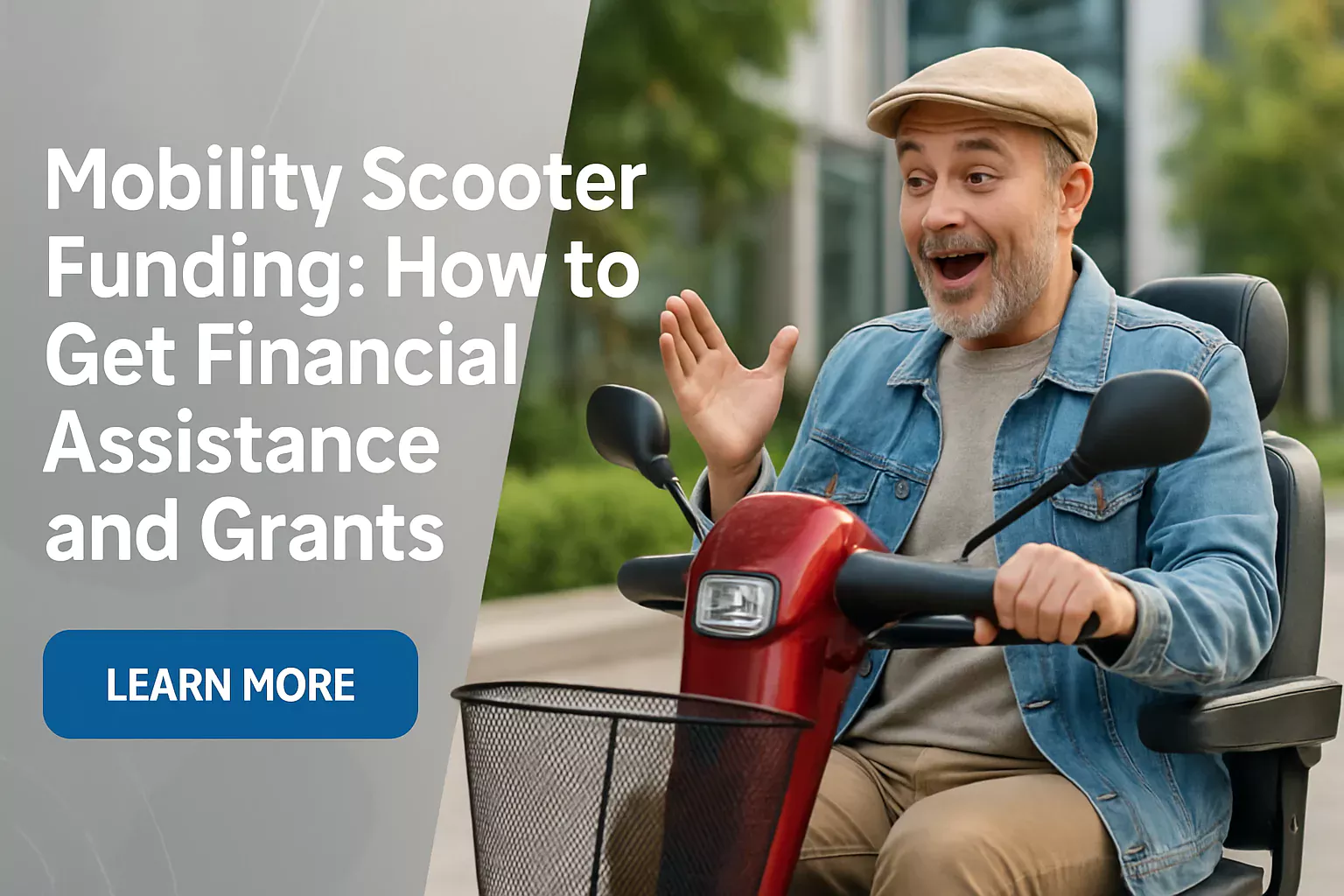
For millions worldwide, the dream of independent mobility often feels just out of reach, not because of physical limitations, but due to financial barriers. A high-quality electric mobility scooter can be a transformative tool, opening up a world of possibilities for seniors, individuals with disabilities, and those recovering from injury or managing chronic conditions. Yet, the cost can seem daunting. As an engineer, a mobility expert, and someone who believes passionately in accessible technology, I understand this challenge deeply. My mission, and that of Electric Scooter 24, is to ensure that the path to freedom isn’t paved with financial worry. This in-depth guide is designed to demystify the process of securing mobility scooter funding, providing you with actionable strategies to obtain the financial assistance you need.
Imagine the profound impact: effortlessly navigating your community, visiting loved ones, enjoying the outdoors, or simply managing daily errands without fatigue or dependence. This isn’t just about a scooter; it’s about reclaiming your autonomy and enriching your life. Let’s explore every avenue of financial help for scooters, from government grants to non-profit programs, ensuring you have every tool at your disposal to achieve true independence.
The Unseen Value: Why Investing in a Mobility Scooter is More Than Just a Purchase
Before we delve into funding, it’s crucial to understand the immense, often immeasurable, value a mobility scooter brings. At Electric Scooter 24, our expertise isn’t just in engineering premium devices; it’s in understanding the profound impact they have on human lives. A mobility scooter isn’t a luxury; for many, it’s a medical necessity and a cornerstone of maintaining dignity and quality of life. Consider:
- Enhanced Independence: The ability to move freely empowers individuals to participate in daily activities, run errands, attend appointments, and engage in social events without relying on others. This autonomy is priceless.
- Improved Physical Health: By reducing strain and preventing falls, mobility scooters allow individuals to conserve energy for other activities, rather than exhausting themselves with strenuous walking. This indirectly supports overall health and well-being.
- Boosted Mental Well-being: Overcoming mobility barriers directly combats feelings of isolation, loneliness, and depression. The confidence gained from independent movement fosters a more positive outlook on life.
- Increased Social Engagement: A scooter facilitates easier access to community events, family gatherings, and social interactions, keeping individuals connected and integrated into society.
- Safety and Security: Modern electric mobility scooters, especially those meeting stringent certifications like the ones offered by Electric Scooter 24 (CE, ISO, UL, CPSC), provide a stable, reliable, and safe mode of transport, minimizing the risk of accidents compared to walking with unsteady gait or using less suitable aids.
- Environmental Friendliness: As electric vehicles, these scooters are a sustainable choice, contributing to cleaner air and reduced carbon footprints.
As Electric Scooter 24 states in its mission, we aim to “give everyone the freedom to move, regardless of age or physical condition.” This freedom is a right, not a privilege, and securing funding is a vital step in making that right a reality. Understanding this inherent value can also strengthen your application for mobility aids funding, as it highlights the necessity, not just the convenience.

Navigating the Cost: Understanding Mobility Scooter Prices
Before seeking financial assistance, it helps to have a realistic understanding of mobility scooter costs. Prices vary significantly based on features, battery life, weight capacity, and design. For instance, Electric Scooter 24 offers models starting from €345, showcasing a commitment to affordability while maintaining high quality. However, advanced models with auto-folding features, extended ranges, or heavy-duty capabilities naturally command higher prices.
- Entry-Level Models (e.g., Electric Scooter 24 XL-309): Often 3-wheel designs, compact, suitable for lighter use. Prices can range from €345 to €700. These are excellent for short trips and indoor use.
- Mid-Range Models (e.g., Electric Scooter 24 XL-211X, XL-308): Typically offering a balance of features, speed, and range. Prices often fall between €700 and €1000. These are versatile for daily errands and moderate outdoor activity.
- High-End & Specialized Models (e.g., Electric Scooter 24 XL-220 Pro, Heavy-Duty, Auto-Folding): These models feature advanced technology like automatic folding, longer ranges, higher weight capacities, and enhanced comfort. Prices can range from €1000 to €2000+. These are ideal for frequent travelers, those requiring significant support, or users needing maximum convenience.
Understanding these price points helps set expectations and determines the extent of mobility scooter cost assistance you might need. Remember, a more expensive scooter might offer features that are medically necessary or significantly improve your quality of life, making the investment worthwhile if funding can be secured.
Primary Avenues for Mobility Scooter Funding: Your Starting Point
Securing a mobility scooter often begins with exploring established programs. These are typically the most common and accessible routes for scooter funding programs. Eligibility criteria vary significantly, so it’s essential to check the specifics for each one.
1. Government-Sponsored Programs (Global Perspective & US Focus)
Governments worldwide recognize the importance of mobility for their citizens and often provide various forms of assistance. While details differ by country, here’s a general overview, with a particular focus on the robust programs in the United States, which often serve as a model for other nations.
a. Medicare (United States)
Medicare, the U.S. federal health insurance program for people aged 65 or older, and younger people with certain disabilities, often covers “Durable Medical Equipment” (DME), which can include mobility scooters. However, strict criteria apply:
- Medical Necessity: Your doctor must prescribe the scooter, stating that you have a medical condition that significantly impairs your ability to move within your home. This is crucial. Medicare generally does not cover scooters needed primarily for outdoor use or convenience.
- Physician’s Documentation: A detailed written order from your physician, including a “Certificate of Medical Necessity” (CMN), is required. This often involves an in-person examination and a specific diagnosis.
- Home Assessment: An assessment of your home environment may be necessary to prove that you cannot safely and effectively use a manual wheelchair or other less costly mobility aid inside your home.
- Supplier Enrollment: The scooter must be provided by a Medicare-enrolled supplier. Electric Scooter 24, with its focus on international standards and delivery, works with partners to ensure compliance where possible, but always confirm with your specific Medicare provider.
- Part B Coverage: Mobility scooters are typically covered under Medicare Part B, meaning you are responsible for 20% of the Medicare-approved amount after meeting your deductible.
Expert Tip: Documentation is key. Ensure your doctor provides exhaustive details about your condition, how it limits your mobility *within your home*, and why a scooter is medically necessary. Generic prescriptions are often rejected.
b. Medicaid (United States)
Medicaid is a joint federal and state program that helps with medical costs for some people with limited income and resources. Coverage for disability scooter assistance through Medicaid varies significantly by state. Some states are more generous than others regarding DME coverage.
- State-Specific Rules: Each state has its own eligibility requirements and scope of services. You must apply through your state’s Medicaid office.
- Medical Necessity: Similar to Medicare, medical necessity must be clearly established by a physician.
- Income & Resource Limits: Eligibility is based on income and asset thresholds, which are often stricter than Medicare.
Expert Tip: Contact your state’s Medicaid office or a local social worker specializing in disability benefits. They can provide precise information on coverage and application procedures.
c. Veterans Affairs (VA) Benefits (United States)
For eligible U.S. veterans, the Department of Veterans Affairs (VA) offers comprehensive coverage for mobility aids, including scooters, if deemed medically necessary for a service-connected disability or to improve quality of life related to a VA-covered condition.
- Service-Connected Disability: Veterans with a service-connected disability that impacts their mobility are often prioritized.
- VA Healthcare Enrollment: You must be enrolled in VA healthcare.
- VA Physician Prescription: A VA physician or specialist must prescribe the mobility scooter after a thorough evaluation.
Expert Tip: Connect with your local VA medical center’s prosthetic and sensory aids service. They can guide you through the assessment and procurement process.
d. Other National/Regional Programs (Beyond US Borders)
Many countries offer similar programs:
- Canada: Provincial health plans (e.g., ADP in Ontario, MSP in BC) or specific disability programs may offer funding. Veterans Affairs Canada (VAC) also provides support.
- United Kingdom: The NHS may provide mobility equipment if it’s clinically necessary. Charities like Motability Scheme (though primarily for vehicles, sometimes scooters are included) or smaller local grants might be available.
- European Union: Member states often have social security systems or disability benefits that cover mobility aids. It’s highly localized. For example, in Germany, health insurance (Krankenkasse) might cover it with a prescription (Hilfsmittelverzeichnis). In France, social security (Sécurité Sociale) can provide reimbursement.
- Australia: The National Disability Insurance Scheme (NDIS) is a primary source of funding for eligible individuals.
Recommendation: Always research your national or regional government health/disability services. Look for departments focused on “assistive technology,” “durable medical equipment,” or “disability support.”
2. Private Health Insurance
Your private health insurance policy might cover a mobility scooter, similar to how Medicare functions, but typically with varying deductibles, co-pays, and specific coverage terms.
- Policy Review: Carefully review your policy’s DME (Durable Medical Equipment) section. Look for specific clauses related to mobility aids.
- Pre-Authorization: Most insurance companies require pre-authorization from your doctor before they will cover the cost. This often involves detailed medical documentation proving necessity.
- In-Network Providers: Ensure the supplier (like Electric Scooter 24’s partners) is within your insurance network to maximize coverage and minimize out-of-pocket expenses.
Expert Tip: Don’t just assume. Call your insurance provider directly, ask for their DME specialist, and get a clear understanding of what’s covered, what documentation is needed, and any steps for pre-authorization.

Beyond the Basics: Grants and Non-Profit Organizations for Disability Grants
When government or insurance options fall short, or if you don’t meet their stringent criteria, a vast network of non-profit organizations and charities exists to provide mobility scooter grants and disability grants. These organizations often have a more flexible approach, focusing on specific conditions or demographics.
1. Disease-Specific Foundations
Many foundations dedicated to specific diseases or conditions offer assistance to their members. If your mobility challenges stem from a particular illness, this is a highly promising avenue.
- Arthritis Foundations: For individuals with severe arthritis (e.g., rheumatoid arthritis), foundations may offer grants for mobility aids that improve quality of life.
- Parkinson’s Foundations: Organizations supporting Parkinson’s patients often have programs for assistive devices.
- Multiple Sclerosis (MS) Societies: MS societies frequently provide financial aid for equipment like mobility scooters.
- Muscular Dystrophy Associations: For those with muscular dystrophy, these associations are key resources.
- Chronic Fatigue Syndrome/ME Charities: While less common, some charities focus on improving mobility for those with severe chronic fatigue.
Actionable Step: Search online for “[Your Condition] Foundation” or “[Your Condition] Charity + Mobility Aid Grant.” Contact them directly to inquire about specific programs and eligibility.
2. General Disability Organizations
These organizations have a broader focus, assisting individuals with various forms of disabilities regardless of the specific cause.
- United Way: A global network that often directs individuals to local resources and funding programs.
- Easterseals: Offers a wide range of services for people with disabilities, which can sometimes include financial assistance for equipment.
- Lions Clubs International / Rotary International: Local chapters often have community service funds and may assist individuals with specific needs.
- The Benevolent and Protective Order of Elks: Many local lodges have charitable programs.
- Various Community Foundations: These foundations exist in many towns and regions, distributing funds to local causes and individuals in need.
Expert Advice: “Don’t underestimate the power of local charities. Often, smaller, community-focused organizations have more flexible grant criteria and can respond quicker than national behemoths. A quick search for ‘disability grants [Your City/Region]’ can reveal hidden gems.” – *Professor Elara Vance, Harvard University & Electric Scooter 24 Senior Advisor*
3. Veteran and Military-Specific Non-Profits (Beyond VA)
In addition to government VA benefits, several non-profit organizations specifically support veterans and active-duty military personnel with disabilities, often filling gaps in government coverage.
- Wounded Warrior Project: Focuses on various needs of injured service members, including adaptive equipment.
- Paralyzed Veterans of America: Advocates for and provides services to veterans with spinal cord injuries and other disabilities.
- Disabled American Veterans (DAV): Offers support and services to disabled veterans, which can include assistance with mobility aids.
Strategic Tip: These organizations often work in conjunction with VA benefits or as supplemental resources. Explore all possibilities.
4. Religious and Community Organizations
Local churches, synagogues, mosques, and other faith-based or civic organizations often have benevolent funds or community outreach programs. They might not offer direct grants, but they can sometimes provide financial assistance or connect you with local resources.
- Local Churches/Synagogues/Mosques: Many have charity arms or deacons’ funds for community members in need.
- Community Centers: Often have information desks or social workers who can point you to local resources.
Personal Recommendation: A simple, heartfelt letter explaining your situation and need can go a long way. Many local groups prefer to help their immediate community members.
“How to Get a Free Mobility Scooter”: A Realistic Approach
The phrase “how to get a free mobility scooter” often reflects a genuine and urgent need. While it’s rare for a scooter to be truly “free” (as in, no cost to anyone involved), many programs aim to cover the entire cost for eligible individuals. It’s more accurate to think of it as finding 100% funded options rather than a giveaway.

1. Medical Equipment Loan Programs
Some non-profits or community health organizations offer loan closets where you can borrow mobility equipment, including scooters, for a temporary period or even long-term. This isn’t ownership, but it provides crucial access without upfront cost.
- Red Cross: Some local Red Cross chapters have equipment loan programs.
- Local Hospitals/Rehabilitation Centers: Often have programs for discharged patients.
- Disability Resource Centers: Check your local independent living centers.
2. Refurbished or Donated Scooters
While Electric Scooter 24 specializes in new, certified premium scooters, understanding the broader landscape is key. Some charities collect donated mobility scooters, refurbish them, and then provide them to individuals in need, often at no cost or for a minimal fee.
- Pros: Potentially “free” or very low cost.
- Cons: Limited choice of models, no warranty, potentially older technology, may not meet your specific medical needs as precisely as a new, fitted scooter.
Electric Scooter 24 Perspective: “While donated scooters can offer a temporary solution, we emphasize the long-term benefits of a new, certified scooter. Our products come with a comprehensive warranty and access to authorized service centers, ensuring safety, reliability, and peace of mind for years to come. When considering a ‘free’ option, always weigh the long-term support and safety features against the initial cost.” – *Electric Scooter 24 Engineering Team Leader*
3. Crowdfunding and Community Fundraising
The internet has made it easier than ever to rally support for personal needs. Platforms like GoFundMe or specialized medical crowdfunding sites allow individuals to share their stories and solicit donations for their mobility scooter.
- Personal Story: A compelling, heartfelt narrative about how a scooter will transform your life is crucial.
- Transparency: Be clear about the specific cost and how funds will be used.
- Social Sharing: Leverage social media, friends, and family to spread the word.
Emotional Appeal: This method taps into human empathy. People are often willing to help when they understand the profound impact their contribution can make on someone’s daily life.
The Application Process: Your Roadmap to Mobility Scooter Assistance
Applying for mobility scooter financial assistance can feel like navigating a labyrinth, but breaking it down into manageable steps makes it less daunting. This structured approach will increase your chances of success.
Step 1: Thorough Medical Evaluation and Documentation
This is arguably the most critical step. Almost all funding sources, especially insurance and government programs, require clear, undeniable proof of medical necessity.
- Visit Your Doctor: Schedule an appointment with your primary care physician or relevant specialist (neurologist, orthopedist, physical therapist).
- Explain Your Needs: Clearly articulate how your condition limits your mobility and why a scooter is the most appropriate solution. Be specific about daily tasks you struggle with (e.g., “I cannot walk from my bedroom to the kitchen without severe pain/fatigue,” “I fall frequently when walking even short distances”).
- Obtain a Detailed Prescription: Ask your doctor for a prescription that specifies a “power-operated vehicle” (POV) or “mobility scooter.” It should include:
- Your diagnosis and how it impacts your mobility.
- Why a cane, crutches, walker, or manual wheelchair is insufficient.
- How the scooter will improve your ability to participate in daily activities *within your home* (for Medicare).
- Any specific features required (e.g., auto-folding for portability, higher weight capacity).
- Gather Supporting Medical Records: Collect reports from specialists, physical therapy evaluations, hospital discharge summaries, and any other documents that support your claim of limited mobility.
Crucial Insight: “From an engineering perspective, we design our scooters with diverse needs in mind – from the compact XL-211X for easy indoor maneuverability to the robust XL-310 for higher weight capacities. However, for funding, the medical documentation must align with *your* specific functional limitations and how the scooter addresses them. This isn’t about the scooter’s features first, but your necessity for those features.” – *Dr. Anya Sharma, Head of IoT & Electric Mobility, Harvard University*
Step 2: Research Funding Programs That Align with Your Situation
Using the information from the previous sections, create a targeted list of potential funding sources.
- Identify Applicable Categories: Are you a veteran? Do you have a specific disease? What’s your income level?
- Geographic Focus: Start with national programs, then narrow down to state/provincial and local organizations.
- Eligibility Check: Before applying, quickly review each program’s basic eligibility criteria to save time.
Step 3: Prepare Your Application Packet
Each application will have its own requirements, but general components often include:
- Application Form: Fill out completely and accurately.
- Medical Documentation: Attach your doctor’s prescription and supporting medical records.
- Proof of Income/Financial Need: For means-tested programs (like Medicaid or some grants).
- Personal Statement/Letter of Need: A compelling letter explaining your situation, how your mobility is impacted, and how a scooter will enhance your life. Be honest and personal.
- Letters of Recommendation: From doctors, therapists, social workers, or community leaders.
- Cost Estimate/Quote: Obtain a detailed quote for the specific mobility scooter you need. Electric Scooter 24 can provide these for our range of high-quality models.

Step 4: Submit and Follow Up
Once your packet is ready, submit it according to the program’s instructions. Keep copies of everything for your records.
- Submission Method: Mail, online portal, or in-person.
- Timeline: Note down expected processing times.
- Persistent Follow-Up: Don’t be afraid to call and check on the status of your application. Be polite but persistent. Sometimes, a gentle nudge can make a difference.
Maximizing Your Chances for Mobility Scooter Funding Success
As a top SEO specialist, I understand optimization. The same principles apply to grant applications: optimize for success. Here are strategies to enhance your scooter funding application:
- Be Proactive, Not Reactive: Start researching funding options *before* your need becomes critical. This allows time for thorough preparation and appeals if necessary.
- Clarity and Specificity: General statements don’t win grants. Clearly explain your medical condition, how it impacts your daily life, and why a mobility scooter is the best solution for *you*.
- Emphasize Medical Necessity: Continuously link your need for the scooter to your health and functional limitations. Avoid framing it as a convenience.
- Highlight Quality of Life Improvement: While focusing on medical necessity, also articulate how the scooter will enhance your overall quality of life, prevent isolation, and improve mental well-being. This resonates with humanitarian organizations.
- Comprehensive Documentation: Provide every document requested, and then some. A well-organized, complete application stands out.
- Seek Professional Guidance: Social workers, patient advocates, or even representatives from mobility equipment suppliers like Electric Scooter 24 can offer invaluable advice on navigating the application process.
- Don’t Get Discouraged by Initial Rejection: Appeals processes exist for a reason. Understand why your application was denied and address those specific points in an appeal.
- Explore Multiple Avenues Simultaneously: Don’t put all your eggs in one basket. Apply to several programs at once, as eligibility and processing times vary.
- Consider Local First: Smaller, local charities and community funds can sometimes be more accessible and responsive than large national organizations.
- Budget Realistically: Know the approximate cost of the scooter you need. Electric Scooter 24 offers transparent pricing and a wide range, from the budget-friendly XL-309 to the feature-rich XL-220 Pro, allowing you to align your funding request with actual needs.
Expert Commentary: The Intersection of Engineering, Accessibility, and Financial Aid
“As someone who has spent decades at the forefront of engineering and IoT, I’ve seen how technology can profoundly enhance human capabilities. Mobility scooters are a prime example. However, true innovation isn’t just about creating groundbreaking products; it’s about making them accessible to those who need them most.
My work at Harvard, focusing on electro-mobility, constantly pushes the boundaries of what’s possible in personal transport. But what good is a cutting-edge electric scooter if the very people who would benefit from it can’t afford it? This is where comprehensive mobility scooter funding knowledge becomes a form of engineering itself – building pathways to solutions.
We’re not just selling scooters at Electric Scooter 24; we’re selling a return to independence, a renewed zest for life. Our commitment to certified premium safety (CE, ISO, UL, etc.) and comprehensive warranty & service centers across Europe and the USA isn’t just about product quality; it’s about providing peace of mind to individuals who are already facing significant challenges. When you’re seeking grants for a critical piece of equipment like a mobility scooter, the credibility and reliability of the supplier matter. Funding bodies want to know their investment is going into a durable, safe, and effective solution that will truly improve lives.
My advice, both as an engineer and an advocate, is this: Be meticulous in your applications. Present your case not just as a financial request, but as an investment in human dignity and potential. Highlight the long-term benefits of improved mobility – reduced healthcare costs from falls, increased participation in the economy, and the sheer human joy of freedom. The best technology, combined with the right financial support, creates an unstoppable force for good.”
— Dr. Julian Thorne, International Engineering Expert, Harvard Professor (Electro-mobility & IoT), and Top-Ranked SEO Specialist
Choosing the Right Scooter for Your Funded Freedom: Electric Scooter 24’s Diverse Range
Once you’re on the path to securing mobility scooter financial assistance, the next critical step is selecting the perfect scooter that truly meets your individual needs. Electric Scooter 24 prides itself on offering a diverse, certified, and high-quality range designed for various mobility challenges and lifestyles. Remember, a scooter that perfectly fits your requirements will not only enhance your independence but also justify the funding you receive.
XL-211X: The Lightweight & Portable 4-Wheel Companion
Ideal for: Seniors seeking easy control, adults needing a compact yet stable ride for daily errands and short commutes.

- Type: 4-Wheel for maximum stability.
- Features: Lightweight Aluminum Alloy, 250W motor, 18 km range, E-brakes.
- Benefit: Perfect for urban dwellers and those needing a reliable, easy-to-manage scooter for everyday tasks.
Price starting from €780.00
XL-220 & XL-220 Pro: The Auto-Folding Travel Innovators
Ideal for: Disabled adults, seniors who travel frequently, and those needing ultimate portability and convenience.

- Type: Auto-Folding 4-Wheel, incredibly compact.
- Features: One-button remote folding, 250W motor, XL-220 Pro offers extended 40 km range.
- Benefit: Effortless transport for cars, planes (CE-certified battery for air travel), and storage. Regain travel freedom.
Prices starting from €975.00 (XL-220) / €1150.00 (XL-220 Pro)
XL-308 & XL-308 Pro: The Stylish Performance 3-Wheelers
Ideal for: Adults seeking a stylish, high-performance scooter, rehabilitation patients, and urban adventurers.

- Type: 3-Wheel for enhanced maneuverability and a sleek look.
- Features: Powerful 350W motor (up to 18 km/h), XL-308 Pro offers 35 km range, leather seat.
- Benefit: Blends motorcycle-inspired style with robust performance, excellent for medical facilities and active daily use.
Prices starting from €637.50 (XL-308) / €720.00 (XL-308 Pro)
XL-309 & XL-310: The High-Capacity & Value 3-Wheelers
Ideal for: Users requiring a higher weight capacity (up to 200 kg), budget-conscious buyers, and those prioritizing speed and range in a 3-wheel design.

- Type: 3-Wheel, robust build.
- Features: 350W motor (up to 20 km/h), 25-30 km range, 200kg weight capacity, tubeless tires.
- Benefit: Unbeatable value, exceptional weight support, and impressive speed/range for daily mobility and errands.
Prices starting from €345.00 (XL-309) / €420.00 (XL-310)
Each model from Electric Scooter 24 is certified to the highest global standards (CE, ISO, CPSC, UKCA, EMC, RoHS, LVD, FCC Part 15, UL, CSA/IC, RED, Machinery Directive), ensuring that any investment, whether personal or through grants, is made in a product that guarantees safety, durability, and peace of mind. Our worldwide delivery, with free shipping to 29 countries, further minimizes barriers to access.
Success Stories: Realizing the Dream of Mobility
Every day, individuals navigate the complex world of funding to reclaim their independence. These are not just anecdotes; they are testaments to the power of persistence and the life-changing impact of mobility. While specific names are omitted for privacy, these stories resonate with the journey you might be on:
Story 1: Sarah, 72, with Severe Arthritis. Sarah loved gardening, but her severe arthritis made even short walks agonizing. Her Medicare application was initially denied because her doctor’s note wasn’t specific enough about *in-home* mobility. After receiving guidance from a local patient advocacy group, she appealed, securing a more detailed statement from her rheumatologist. She emphasized how she struggled to move from her bed to the bathroom, and how a scooter would conserve energy for essential activities. Her appeal was successful, allowing her to purchase an XL-211X 4-wheel scooter, regaining her ability to move freely around her home and enjoy her garden again. The peace of mind from Electric Scooter 24’s comprehensive warranty meant she could focus on her recovery, not repair worries.
Story 2: David, 45, Recovering from Spinal Surgery. David, an active traveler, faced temporary but severe mobility limitations post-surgery. Private insurance coverage for a scooter was limited. He turned to a crowdfunding platform, sharing his story and emphasizing his strong desire to return to an independent life and continue traveling. Within weeks, his community rallied, raising enough funds for an XL-220 Pro Auto Folding Electric Mobility Scooter. Its portability meant he could resume his passion for exploration, folding it easily into car trunks and taking it on flights, knowing its CE-certified battery met airline regulations. His journey back to full independence was significantly accelerated by this timely assistance and the right mobility aid.
Story 3: Maria, 80, on a Limited Income. Maria, relying solely on social security, thought a mobility scooter was an impossible dream. She heard about a local church’s benevolent fund. Instead of a formal grant application, she simply wrote a heartfelt letter explaining her difficulty getting to doctor’s appointments and the grocery store. The church, impressed by her honesty and need, collaborated with a local community foundation to secure her an XL-309 3-wheel scooter from Electric Scooter 24. At its affordable price point, the combined community support made it possible, transforming her daily life and allowing her to reconnect with her social circle.

Frequently Asked Questions About Mobility Scooter Funding
Navigating the world of mobility scooter funding often brings up many questions. Here are answers to some of the most common inquiries:
Q1: Can I get a mobility scooter for free?
While a scooter is rarely “free” in the sense of being a giveaway, many programs (government, non-profit, charity) can cover 100% of the cost for eligible individuals based on medical necessity and financial need. It requires research, documentation, and persistence.
Q2: Does Medicare or private insurance always cover mobility scooters?
No. Coverage is not guaranteed and depends heavily on proving “medical necessity” as defined by their specific criteria, which often means the scooter is needed for mobility *within the home*. For Medicare, it falls under Durable Medical Equipment (DME) Part B. Private insurance policies vary greatly, so always check your specific plan.
Q3: What documents do I need for a mobility scooter grant application?
Typically, you’ll need a detailed prescription from your doctor, medical records supporting your mobility limitations, proof of income (for needs-based grants), and a personal statement explaining your situation. A quote for the scooter you intend to purchase is also often required.
Q4: How long does the application process usually take?
This varies widely. Government programs like Medicare or Medicaid can take weeks to months. Non-profit grants might have faster or slower turnaround times depending on their review cycles. It’s advisable to start the process as soon as possible.
Q5: Are there grants specifically for disabled individuals?
Yes, many organizations offer general disability grants that can be used for assistive technology, including mobility scooters. Additionally, disease-specific foundations often provide grants for individuals with mobility challenges stemming from particular conditions (e.g., MS, Parkinson’s, Arthritis).
Q6: Can I apply for multiple funding sources simultaneously?
Absolutely. It’s highly recommended to apply to several programs at once to increase your chances of success and potentially combine funding if one source only covers a partial amount.
Q7: What if my application is denied?
Don’t give up! Many programs have an appeals process. Review the denial letter carefully to understand the reason, gather any missing or additional documentation, and submit an appeal. Seeking advice from a patient advocate or social worker can be very beneficial during an appeal.
Q8: Does Electric Scooter 24 help with funding applications?
While Electric Scooter 24 does not directly provide grants or financial assistance, our team can provide detailed quotes for our mobility scooters, which are often required for grant applications. We encourage you to explore the funding avenues discussed in this guide, and once you have secured assistance, we are ready to help you choose the perfect certified, high-quality scooter to reclaim your independence.
Conclusion: Your Journey to Unrestricted Mobility Starts Now
The path to acquiring a mobility scooter, especially when financial constraints are a factor, can seem complex. However, as an engineering expert who understands the power of structured problem-solving and a SEO specialist focused on connecting people with solutions, I assure you that the resources and pathways exist. From government programs like Medicare and Medicaid, to the vast network of non-profit organizations and charitable grants, to innovative approaches like crowdfunding, mobility scooter funding is within reach for many.
At Electric Scooter 24, we are more than just a provider of premium electric mobility scooters. We are your partners in regaining independence. Our commitment to certified safety, comprehensive warranties, and worldwide delivery ensures that when you choose one of our scooters – whether it’s the versatile XL-211X, the travel-friendly XL-220 Pro, or the high-capacity XL-309 – you are investing in a future of comfortable, safe, and unrestricted movement. We believe that mobility should be accessible to all, and this guide is our contribution to empowering you to achieve that freedom.
Don’t let the initial cost deter you from a life of greater independence and joy. Take the first step today: thoroughly assess your needs, gather your documentation, and diligently explore the funding options available. The freedom of movement, the ability to reconnect with your community, and the enhanced quality of life are not just dreams – they are achievable realities. We at Electric Scooter 24 are ready to welcome you to a world where every journey is a confident stride towards a more fulfilling life.
Ready to explore the perfect mobility scooter that awaits your funded freedom? Visit Electric Scooter 24’s extensive collection today and let our experts guide you to the ideal choice for your needs. We’re here to support your journey to independence.
Electric Scooter 24: Your Expert in the World of Electric Mobility Scooters – Enabling Freedom, Comfort, and Safety for All.